Article: sasasa: Japanese Bleached Cotton Reimagined for Everyday Life

sasasa: Japanese Bleached Cotton Reimagined for Everyday Life
In Sakai, a city in southern Osaka long known for its craft industries, Takeda Sarashi has been bleaching and refining cotton since 1911. For more than a century the company has processed plain cotton cloth into wazarashi — Japanese bleached cotton, a soft, absorbent fabric that once had a place in every Japanese home. In 2020 the company launched its own brand, sasasa, to bring this humble cloth back into everyday life. We visited the works and were shown around by Mr. Takeda (Managing Director) and Ms. Takeda (Director).

A Cloth Roll You Tear Off as You Go
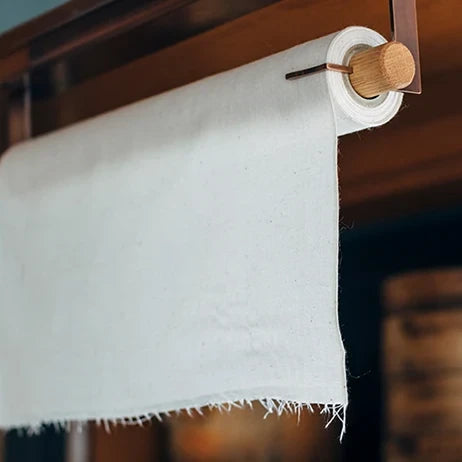
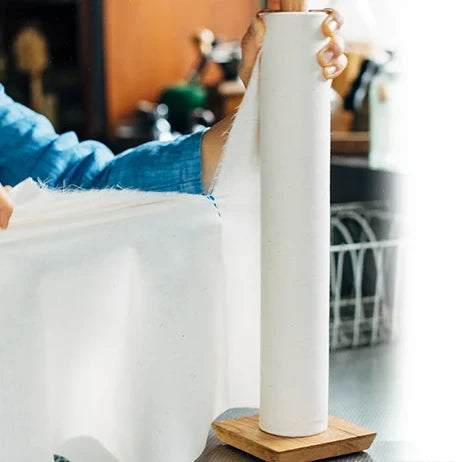
The first sasasa product was the wazarashi roll: a long length of bleached cotton, perforated so that you can tear off a square whenever you need one. Use it to dry dishes, wring out vegetables, line a steamer basket, or wipe down a counter. Unlike paper towels, each piece can be washed and used again and again — the name itself comes from the Japanese expression sa-sa-sa, meaning "quickly and lightly."


By presenting a traditional material in a fresh, minimal form that fits modern kitchens, the wazarashi roll earned a Good Design Award in 2020. We asked how such an unusual product came about, and heard the story of a family business that has kept reinventing itself across generations.

What Is Sarashi?
"When people hear the word sarashi, a lot of them just say, 'What's that?'" Mr. Takeda and Ms. Takeda told us with a laugh. Sarashi is woven cotton that has been washed and refined to remove the starch, impurities and natural oils left on the yarn — the step normally done before cloth is dyed.
In the past, sarashi was an essential household item in Japan. It was used in the kitchen, turned into cleaning cloths, headscarves and bandages — a true all-purpose cloth. Even today, many expectant mothers in Japan follow the custom of wrapping sarashi around their belly as a prayer for a safe birth.

As lifestyles became more Western and cheap imports and disposable products took over, sarashi gradually disappeared from daily use. "At its peak there were more than fifty bleaching works around here. Now only seven remain," says Mr. Takeda. "Everyone in the industry feels a sense of urgency and is working to revive it."
A Greener Way of Bleaching
Facing these changes, the siblings' father — the fourth-generation president — decided there was more the company could do. He re-examined every step of the process that had been handed down simply "because we have always done it this way," and set out to design an environmentally friendly method from scratch. "I still remember him spending his days off at the library, studying," Ms. Takeda recalls.

The result was Takeda Sarashi's own method, which uses only a little water, a little chemical agent and a little energy. He developed a processing kettle that circulates a small volume of water with a pump — an innovation that transformed the industry. The same kettles are still used to refine the cloth today, and his work anticipated by decades the sustainable manufacturing the world now calls for.

How Wazarashi Is Made
The day's refining had already finished when we arrived, but the team kindly opened a kettle lid so we could look inside.


There are two kinds of sarashi: Western-style and Japanese-style (wazarashi). Takeda Sarashi makes wazarashi. In the Western method, machines pull the cloth through the bleaching process in about forty minutes. For wazarashi, the cloth is laid in the kettle and water is circulated around it for two full days. Because the fabric is never stretched or pulled, it comes out with a wonderfully soft, fluffy feel.
- Refining: the cloth rests in the kettle for two days while water slowly circulates through it.
- Dewatering: it is then spun in a large centrifuge.
- Drying: one of several drying methods is passing the cloth over heated cylinders.
- Cutting and packing: staff cut and pack each product by hand.


Watching the long, pure-white fabric flow continuously through the machines was strangely beautiful — we could have watched for hours.

We also watched staff cut and pack the products by hand, working with impressive speed and precision.

Some of the machines are as old as a grandparent. Here, well-loved equipment that has served for decades works alongside a cutting-edge, low-impact process — a place where tradition and the present truly coexist.

From Baby Clothes to a Brand of Its Own
"With the way times were changing, bleaching alone was becoming difficult, so we started developing our own products," Mr. Takeda explains. "The first was a line of baby underwear that made use of how gentle sarashi is on the skin. In the old days our cloth was often used for cloth diapers, so that is where the idea came from."

"We sold it on the strength of wazarashi as a material, but most customers had never even heard the word. We realized we first had to help people discover wazarashi itself. So we decided to make a product that relied on nothing but the appeal of the cloth — no dyeing at all."
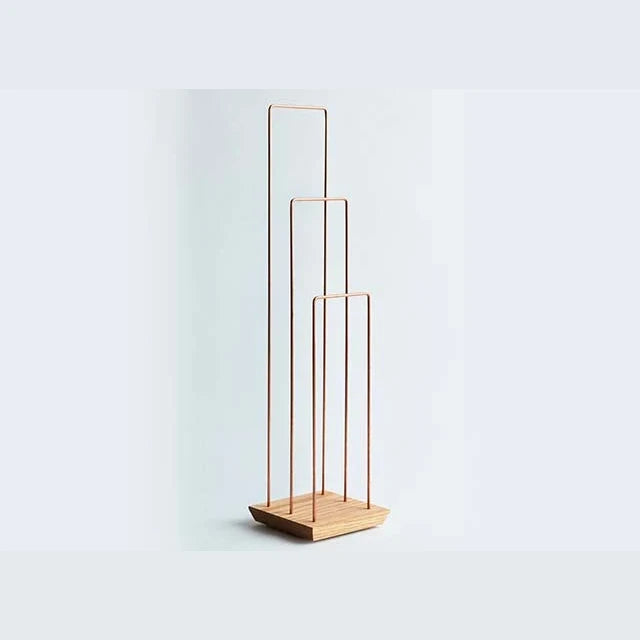
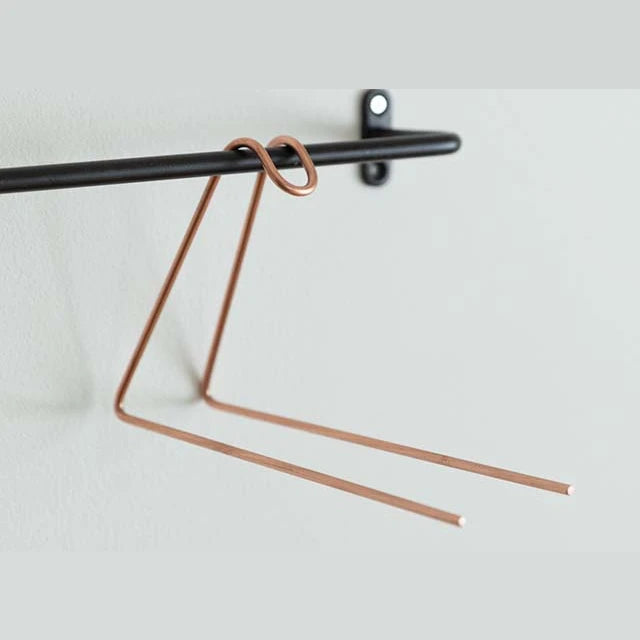
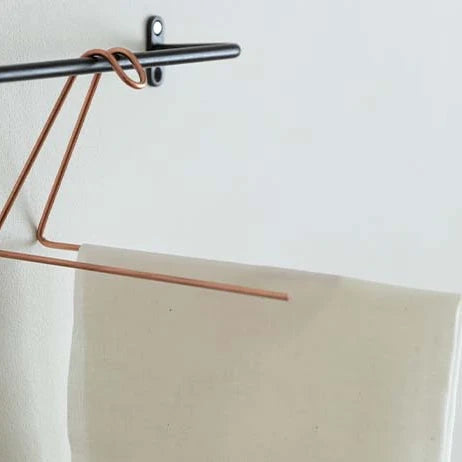
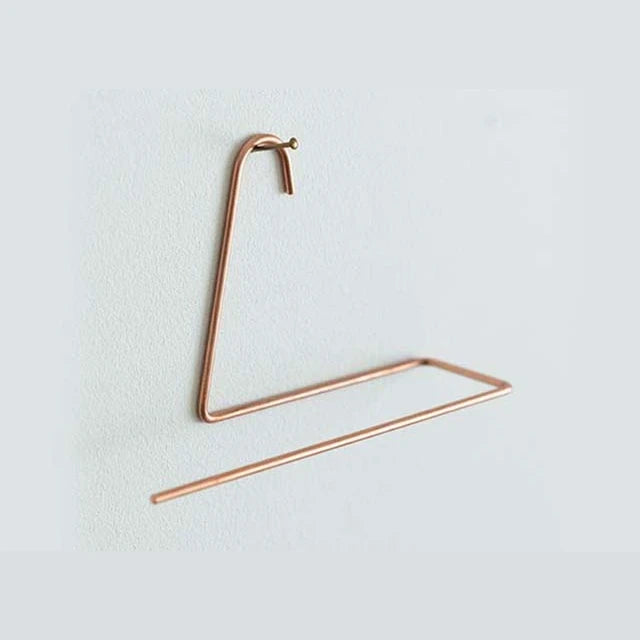
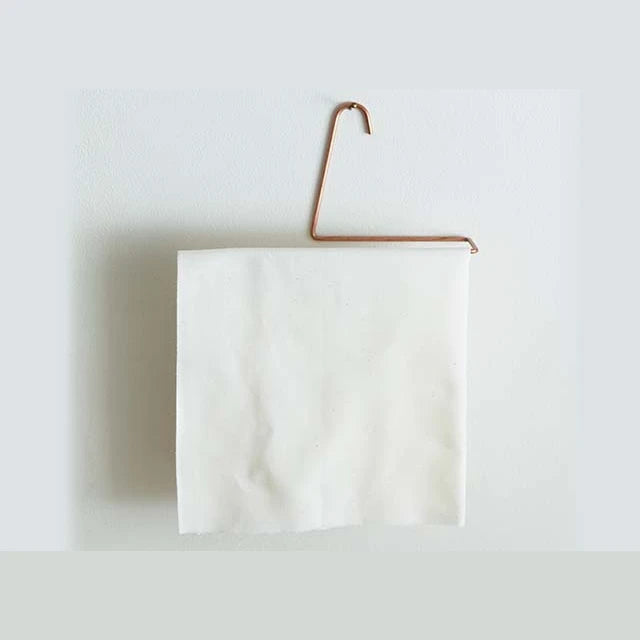
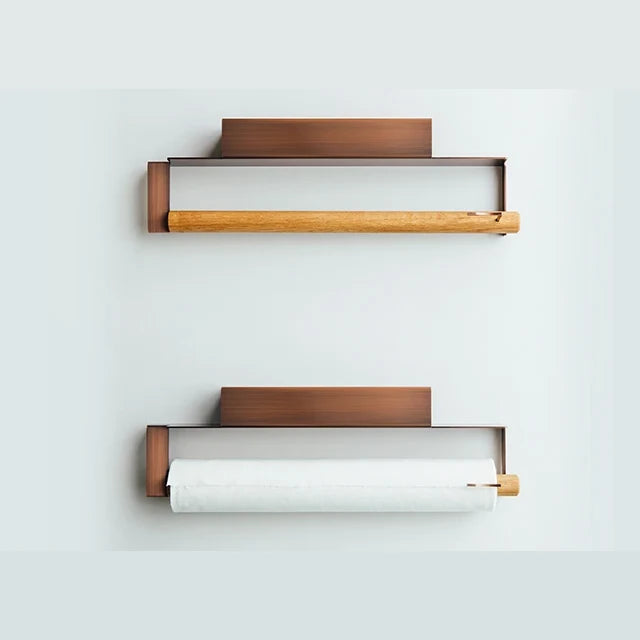
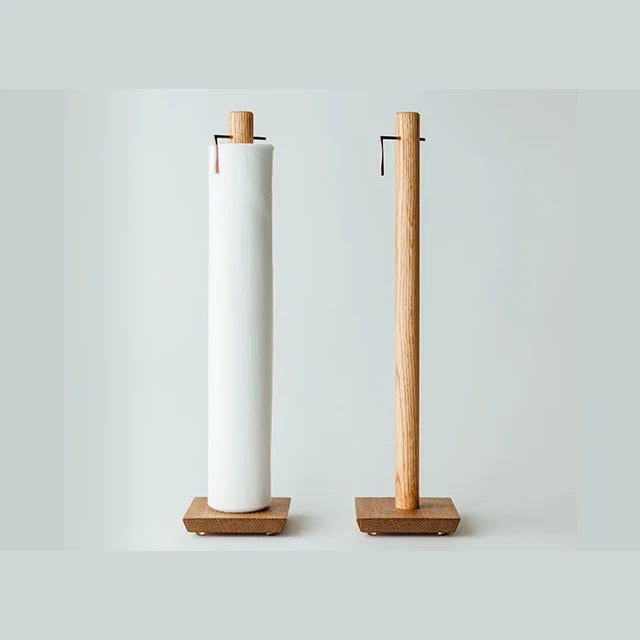
Working with outside collaborators, Mr. Takeda and Ms. Takeda went back to the bolts of sarashi the company had always sold. "What shape is sarashi, and when do people use it? How could it be easier to use, and more stylish? We discussed it over and over again." The answer was a roll with perforations — together with a dedicated upright stand and a hanging holder, designed to sit naturally in a modern kitchen.

Tearing a piece of cloth by hand is something we rarely get to do, and it has its own unique pleasure. "Some customers even tell us that tearing it off is a great stress reliever," they say with a smile.
Endless Ways to Use It
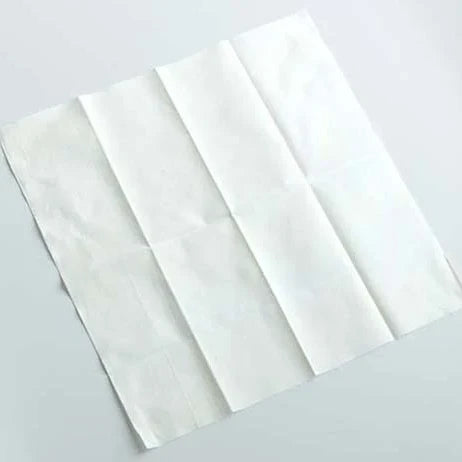
A long bolt of cloth can leave you unsure where to start, but a neat square torn from the roll instantly suggests a use: in the kitchen, for cleaning, or anywhere you like.
"You can even use it in place of a coffee filter," Ms. Takeda tells us. "The weave is open, so the coffee tastes softer and milder."

Because it is cloth, everyday stains wash or boil out easily, and each piece can be reused many times. The more you wash it, the softer it becomes in your hand — you may even grow fond of its slightly frayed edges. It is sustainability you can feel every day.

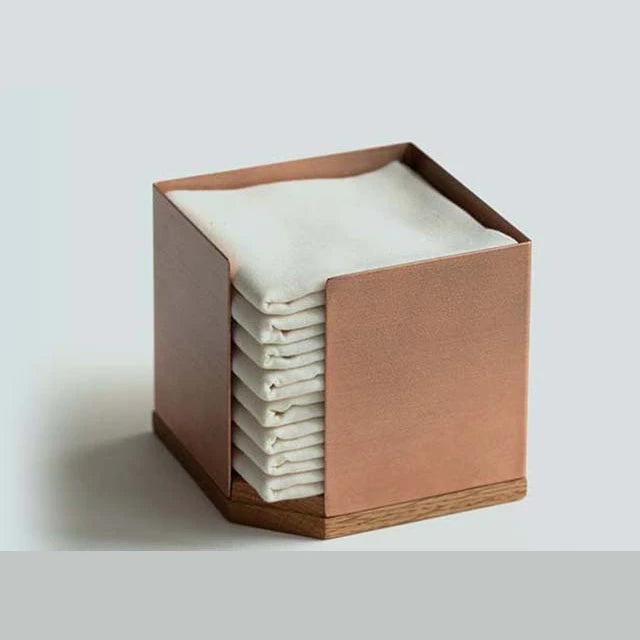
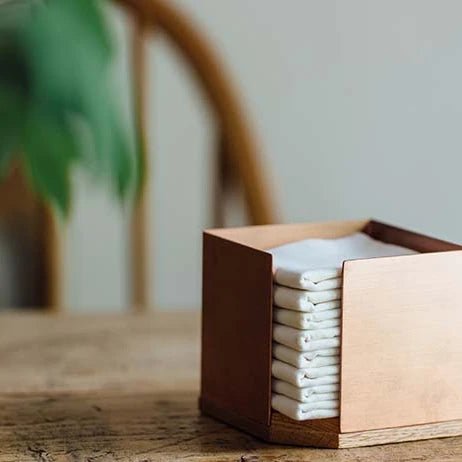
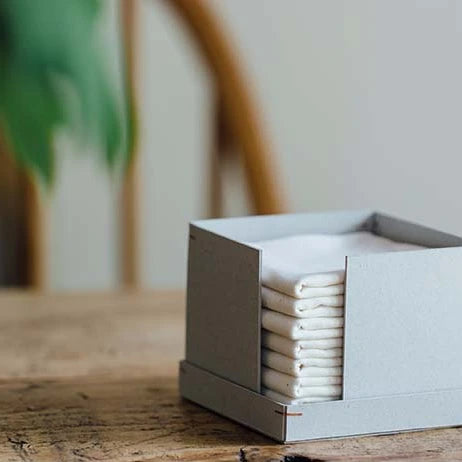
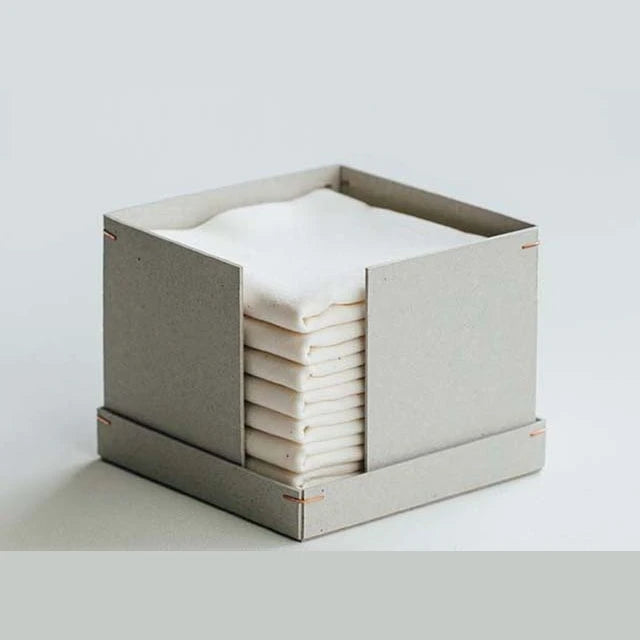
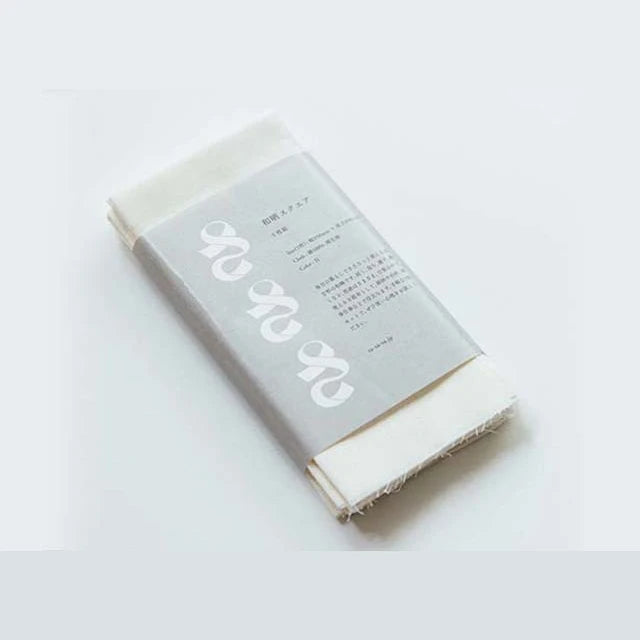
Listening to customers who wondered whether they could use up a whole roll, or who wanted something more affordable as a gift, sasasa went on to create pre-cut wazarashi squares in sets, along with a storage box and dedicated hangers for drying the cloths — growing into a brand that brings wazarashi into every part of the home.
Always Looking for New Possibilities
Their father established an eco-conscious refining method of his own; Mr. Takeda and Ms. Takeda created a product the world had not seen before. What all three share is a determination to honor tradition without being confined by it, and to keep searching for new possibilities. Sincere, strong, simple and beautiful — the qualities of wazarashi itself could be felt in everyone we met at Takeda Sarashi.
One last discovery: when we borrowed the restroom, we found wazarashi by the washbasin. Cloth with small holes or flaws that cannot be sold is reused in-house as hand towels — a small detail that says a great deal about the company.

Our sincere thanks to Mr. Takeda, Ms. Takeda and everyone at Takeda Sarashi for generously sharing their time with us during this long visit.