Made by hirali · Sakai, Osaka
hirali Reversible Tenugui – Two-Color Japanese Cotton Cloth (10 Designs)
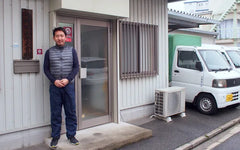
Meet the maker
Sakai, Osaka
A textile brand from Takeno Senko, a tenugui maker founded in 1961 in Sakai, Osaka. Using rare roller-printing techniques refined by its...
Choose options
A tenugui with two faces

Picture dyeing a thin cotton cloth like a tenugui: the dye soaks right through, so you would expect the same color on both sides. hirali’s tenugui are different. Each side has its own color and pattern, so you can enjoy the back as much as the front. A printed pigment could also make two different sides, but it would lose the soft, natural feel of wazarashi cotton. Because hirali is truly dyed, the cloth stays soft and gentle on the skin.
Kasane no irome: the Japanese art of layered colors
Japan’s four seasons have shaped a deep sensitivity to color. In the Heian period, court ladies wore the layered jūnihitoe robes and enjoyed the color combinations created where an outer layer met its lining. This way of thinking about color, kasane no irome, is why Japanese has so many names for colors. hirali brings that idea to everyday life, pairing two colors on the front and back of each cloth.

A tenugui for life today
Tenugui usually means traditional Japanese patterns, but hirali takes a fresh approach, with modern graphic designs and colors that still carry the spirit of Japan. Keep it in your pocket as a handkerchief, wrap it around your neck or head, use it as a table mat, wrap a gift or a lunch box: no tenugui has ever fit so naturally into modern life.
Designs
- Yama Nemuru (The Sleeping Mountain)
- Kaze Hikaru (The Shining Spring Breeze)
- Hishi no Hana (Water Chestnut Flowers)
- Hoshizukiyo (Starlit Night)
- Ume Fufumu (Plum Buds)
- Ushi Hiyasu (Cooling the Cattle)
- Natsu no Misaki (Summer Cape)
- Hana no Yoi (Blossom Intoxication)
- Fuyu no Ikazuchi (Winter Thunder)
- Tsukimi Dango (Moon-Viewing Dumplings)
Many of the design names are seasonal words (kigo) from Japanese haiku.
About hirali
Sakai, Osaka, has been a center of wazarashi cotton bleaching since the Edo period. hirali is made by Takeno Senko, a dye works founded there in 1961 that has produced tenugui, yukata and cloth diapers with the roller-printing technique. Knowing every side of wazarashi cloth, the factory creates new textiles for modern life and hands its roller-printing skills on to the next generation.
Specifications
- Size: approx. 34 × 90 cm (13.4 × 35.4 in), the standard tenugui size
- Material: cotton (wazarashi cloth); reversible, with a different color on each side
- Edges are left unhemmed
- Made by Takeno Senko in Sakai, Osaka, Japan
Care
- Some color may run at first. Wash separately from other laundry for the first 2–3 washes.
- The cloth becomes softer and nicer to the touch the more you use it.
- The cut edges dry quickly and stay hygienic. They may fray a little at first; simply trim the loose threads and the fraying will stop, leaving a natural fringe. No need to sew.
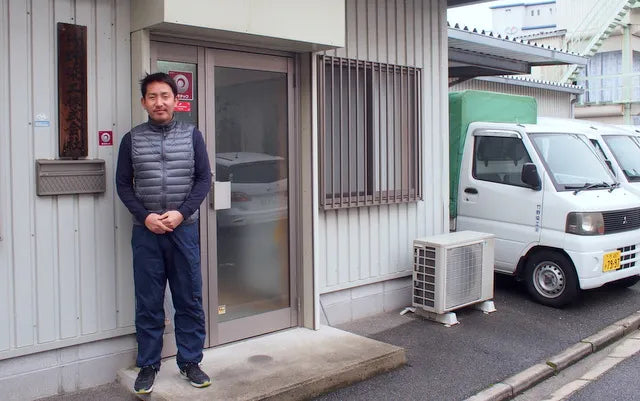
The maker behind this piece
hirali
Sakai, Osaka
A textile brand from Takeno Senko, a tenugui maker founded in 1961 in Sakai, Osaka. Using rare roller-printing techniques refined by its craftsmen, it makes reversible tenugui and gauze goods with a different color on each side.